
5 Hands on Experience Spots in Tokyo for A Creative Summer
Summer vacation is a time for fireworks, summer festivals, and trips to the beach.
But why not get some hands-on experience doing something fun and educational?
This article introduces a variety of places where you can enjoy making crafts.
It also explains why each activity works well as a fun summer research topic.
These spots are also perfect for birthday events or fun activities with friends in Tokyo.
Contents
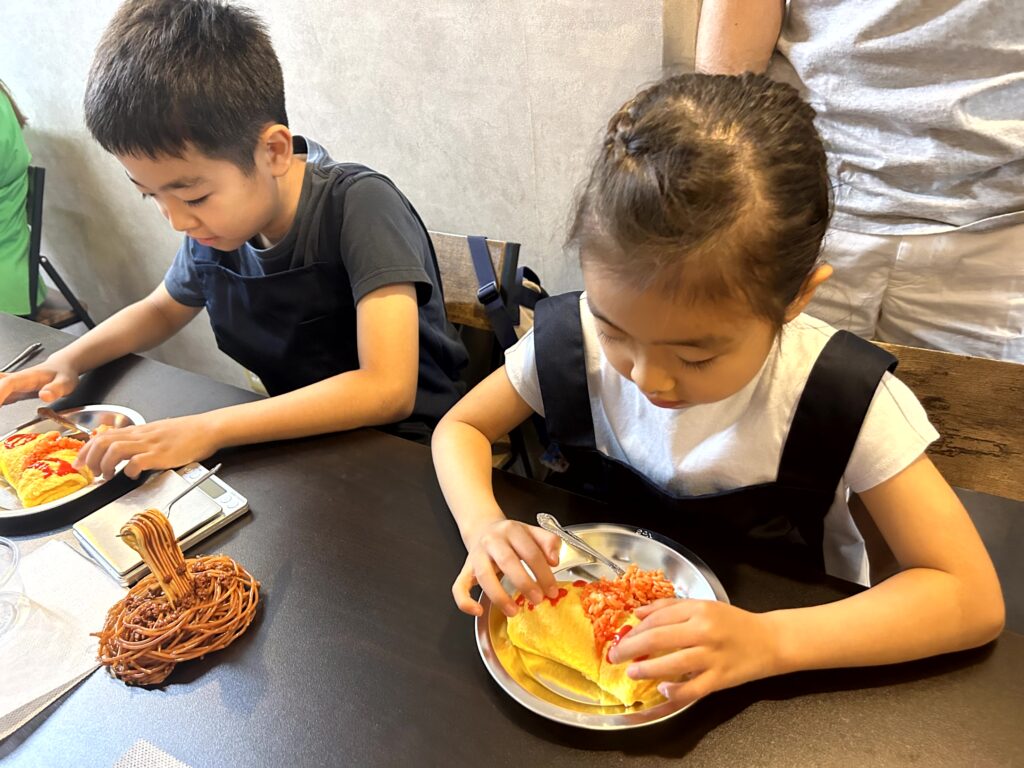
- Be Amazed by Realistic Creations at “Food Sample Making Cafe”
- A Tiny World of Plants and Glass at “Terrariums Metro Korakuen”
- Feel the Warmth of Wood at “Kino Kurashi Ginza Chopsticks”
- Japanese Tradition Dyed in Color at “Traditional Dyeing Experience”
- Learn the Secrets of Fermentation through “Homemade Miso”
- Summary
1. Be Amazed by Realistic Creations at “Food Sample Making Cafe”
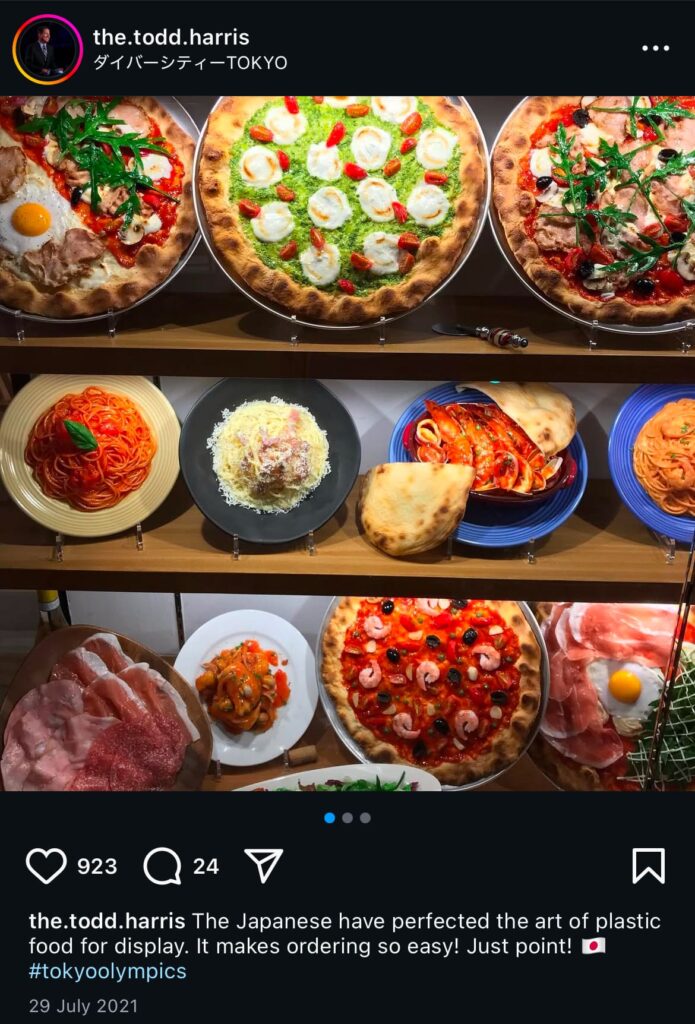
Food samples are a uniquely Japanese culture and craft.
They first appeared in the late Taisho to early Showa period. They spread widely alongside the growth of the restaurant industry after World War II.
Early food samples were mainly made using wax. From the mid Showa period onward, synthetic resin such as PVC became standard due to greater durability, easier maintenance, and improved expressive detail.
Today, advanced techniques such as airbrushing, shading, and color gradation are used.
【How This Can Be Used as a Summer Project】
“Creating a Timeline and Comparing Materials”
For a food sample research project, you can begin by organizing the history into a timeline.
You can then compare the differences between wax and resin materials and examine the characteristics of each.
By researching old photographs and documents, it is possible to see how food was represented in the past and how it differs from modern expressions.
You can also investigate the social background of the era when food samples emerged, such as the spread of Western style cuisine, changes in dining culture, and the rapid increase in restaurants after the war.
Fieldwork is another option.
Visiting local restaurants and observing how display cases are used, compared with photo menus, helps you understand the role food samples play in modern society from multiple perspectives.
For more details, see Why Did Food Samples Become Popular in Japan?
“Why Food Sample Culture Took Root in Japan. Social and Economic Background”
Food samples spread rapidly in Japan because there was a strong need to visually communicate what dishes looked like as Western style food became more common.
At the time, photographic technology was not as advanced as it is today.
Displaying food models in showcases functioned as an easy to understand visual menu.
They were also effective in overcoming language barriers.
This was important due to literacy issues and the increasing number of foreign visitors.
“The Present and Future of Food Samples. Art, Goods, and Global Reception”
Today, food samples are no longer limited to restaurant displays. They are popular as accessories, keychains, interior decor, and art pieces.
Overseas, the appeal of being extremely realistic yet inedible has gained attention on social media.
Exhibitions and workshops are increasing.
As a research project, you can categorize food sample goods and analyze design trends and reasons for their popularity.
You can also study how food samples are presented on social media and summarize how they are viewed from an international perspective.
For more details, How Popular are Food Samples Abroad?
Food Sample Making Cafe Official Website
Experience Time: 1 to 1.5 hours
Price: 4,600 to 5,600 yen
2. A Tiny World of Plants and Glass at “Terrariums Metro M Korakuen”
A terrarium is a miniature ecosystem that recreates a natural environment inside a small container while plants grow within it.
At Terrariums Metro M Korakuen, workshops are held daily where participants can create their own original terrarium.
The greatest feature of moss terrariums is how easy they are to maintain.
They require little effort yet continue to grow, which makes them an excellent theme for a summer research project.
【How This Can Be Used as a Summer Project】
“How Does Moss Change Under Different Environmental Conditions”
This theme compares moss growth by changing light levels, humidity, and watering frequency.
By observing color changes and how quickly the moss dries over several days, you can understand the relationship between environment and plant response.
Even a small terrarium is sufficient for a well organized experiment.
“How Does Terrarium Layout Affect Plant Growth”
This theme compares moss conditions by changing stone placement and soil layering.
Differences in terrain affect humidity and water retention, which leads to differences in growth.
It is a suitable topic for inquiry that examines the balance between appearance and healthy growth.
Terrariums Metro M Korakuen Official Website
Experience Time: 1.5 hours
Price: 5,500 yen
3. Feel the Warmth of Wood at “Kino Kurashi Ginza Chopsticks”
Through chopstick making and wooden clock workshops, you can experience Japanese woodworking and craftsmanship culture.
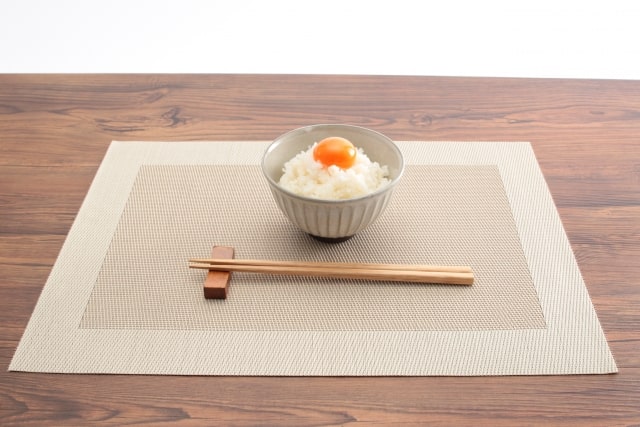
In chopstick making, you can learn how wood is selected, cared for, and shaped.
You can also experience texture and balance directly.
This helps explain how chopsticks became rooted in Japanese food culture.
【How This Can Be Used as a Summer Project】
“How Does the Type of Wood Affect Ease of Making Chopsticks”
The chopstick making experience at Kino Kurashi Ginza can be expanded into a research project on wood types and processing methods.
You can observe each step as they carve wood and complete their own pair of chopsticks.
Questions such as why certain woods are used, how texture differs, and how weight feels can be explored and summarized based on firsthand experience.
By examining why chopstick culture has endured in Japan and how wooden tools are used in modern life, you can learn about the connection between materials and food culture.
“How Does Chopstick Shape Affect Ease of Use”
Through the workshop, you can record differences in carving and finishing techniques and compare the finished chopsticks with those used at home.
You can note tools used, time required, grip comfort, and texture after completion.
These observations can then be compared side by side.
By examining why small shape differences affect usability and whether wood type influences eating comfort, you could gain insight into everyday tools and Japanese food culture.
Kino Kurashi Ginza Chopsticks Official Website
Experience Time: 30 minutes
Price: From 3,980 yen~
4. Japanese Tradition Dyed in Color at “Traditional Dyeing Experience”
The value of dyeing as a summer research project lies in being able to personally experience the entire process.
This includes preparing dyes, folding fabric, and dyeing by hand.
Observing how color penetrates fabric and how temperature and time affect results aligns well with a scientific perspective.
By researching how dyed textiles have been used in daily life, you can learn about connections to regional culture and history.

【How This Can Be Used as a Summer Project】
“Comparing Dye Results Based on Temperature and Time”
Using the same fabric and dye, you can compare results by changing dyeing temperature and duration.
You could then observe color depth and uniformity, then consider why differences occur.
“Researching the Meanings Behind Patterns and Colors”
You can investigate traditional patterns and colors and summarize their associated wishes or purposes.
By connecting this research to your own dyed work, you can examine the relationship between daily life and traditional crafts.
Some no Sato Ochiai Dyeing Experience Official Website
Experience Time: 2 hours
Price: 4,400 yen
5. Learn the Secrets of Fermentation through “Homemade Miso”
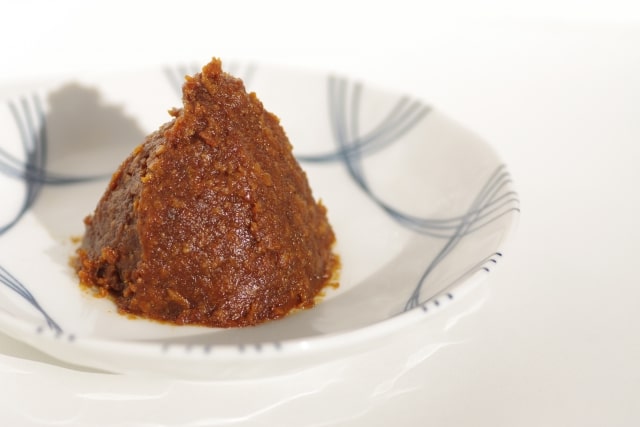
By mashing soybeans, mixing them with koji and salt, and packing the mixture into containers, you can observe how miso is created.
Fermentation requires time.
By recording changes in color and aroma over several months, you can learn about microbial activity and fermentation from a scientific perspective.
Researching the role miso plays in Japanese food culture also encourages reflection on the history of food and daily life.
【How This Can Be Used as a Summer Project】
“How Does Miso Fermentation Change Over Time”
You can observe the miso they prepared each week and record changes in color, aroma, and firmness.
Summarizing these changes will help you understand the relationship between fermentation and time.
“How Do Ingredient Ratios Affect the Final Miso”
You can prepare multiple batches of miso using different ratios of soybeans, koji, and salt.
You could then compare taste and color after fermentation.
By examining how ingredient balance influences fermentation and flavor, you could gain insight into the scientific properties of food.
Homemade Miso Official Website
Experience Time: 1 hour
Price: 5,500 yen
6. Summary
Tokyo offers many places where learning happens through hands-on experience.
These activities go beyond simply making an object. They encourage deeper thinking about materials, technical backgrounds, and relationships with the environment.
Choosing an experience that matches personal interests makes research more enjoyable and easier to organize.
Explore a field that interests you and discover your own unique research theme.
Official websites, experience times, and prices are based on information available as of December 15, 2025.
What are we?
We run Food Sample Making Cafe at Asakusa, Tokyo in Japan.
Here you can immerse yourself in Japanese culture through experiencing food sample making.
We will carefully teach you how to make authentic, professional-grade food samples, so everyone from adults to children can enjoy it!
Your food sample will be completed in about an hour, and you can take it home right away.
The cafe is an indoor interactive zone, so it is recommended for sightseeing on rainy or hot/cold days.
If you want to try making food samples of your own, why not join us?
Reservations can be made here.
Unauthorized copying and replication of the contents of this site, text and images are strictly prohibited.
