Unify Tokyo with the Golden Route! Exploring Tradition and Trends in Asakusa, Ginza, and Shibuya via the Tokyo Metro Ginza Line
When it comes to sightseeing in Tokyo, the biggest headache for many travelers is navigating the complex maze of train and subway transfers.
However, if you build your itinerary around Asia’s first subway line—the Tokyo Metro Ginza Line—that headache disappears instantly.
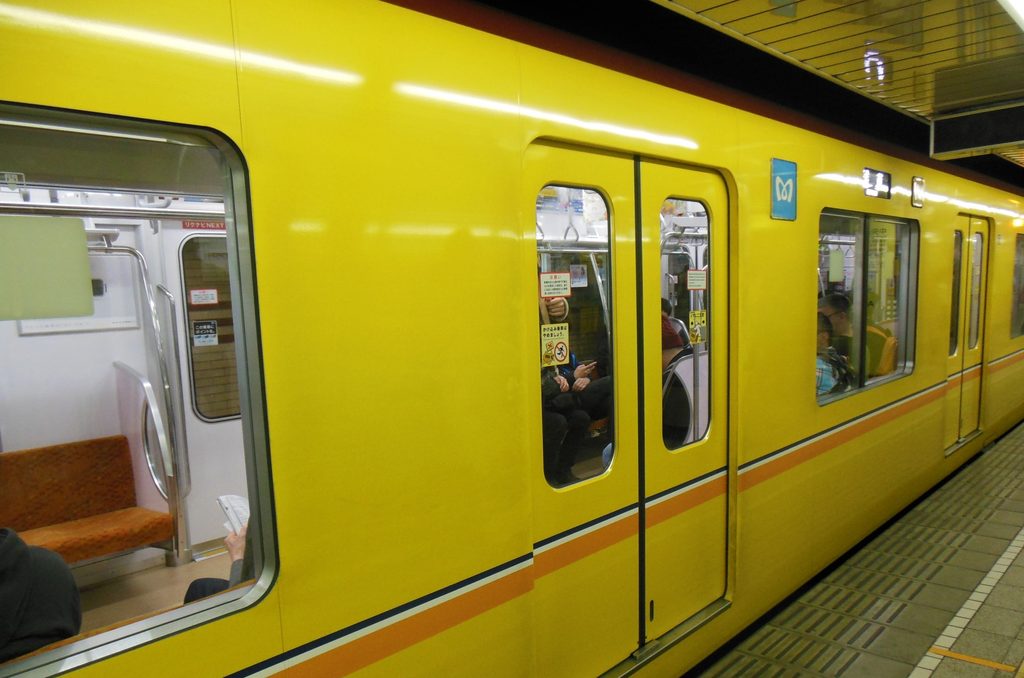
Recognizable by its bright yellow train cars, the Ginza Line directly connects three of Tokyo’s most iconic districts without a single transfer: historic Asakusa with its old-town charm, sophisticated Ginza with its refined atmosphere, and trend-setting Shibuya, where cutting-edge culture comes together. It is truly Tokyo’s ultimate golden sightseeing route.
The beauty of this route is that it takes the stress out of getting around while letting you experience Tokyo’s three distinct faces—Edo tradition, refined modernity, and futuristic trends—all in a single day.
With a good-value subway pass and luggage storage services, even travelers with heavy bags can explore the city with ease.
Here is a complete model course starting from Asakusa, packed with tips to help you get the most out of your day along the Ginza Line!
Table of Contents
- Effortless Travel on the Ginza Line: Exploring Asakusa, Ginza, and Shibuya in One Trip
- Money-Saving Tip: How to Buy and Use the Tokyo Metro 24-Hour Ticket
- Morning at Senso-ji Temple and Kaminarimon Gate: Beat the Crowds and Photo Tips
- Savor Asakusa Specialties: A Classic Street Food Walk on Nakamise and Denboin Streets
- Retro Downtown Vibes: Asakusa Underground Street and Hoppy Street
- A Street of Culinary Craftsmanship: Kappabashi Kitchenware Town, a Short Walk from Asakusa
- Hands-On Craft in Asakusa: Food Sample Making Cafe
- Straight from Asakusa on the Ginza Line: An Afternoon Break in Historic Ginza
- End Your Day in Shibuya: Scramble Crossing and Night Views from SHIBUYA SKY
- Travel Light: Coin Lockers and Luggage Storage around Asakusa Station
- Summary: A One-Day Ginza Line Model Course Starting from Asakusa
- FAQ
1. Effortless Travel on the Ginza Line: Exploring Asakusa, Ginza, and Shibuya in One Trip
Opened in 1927 as Asia’s first subway line, the Tokyo Metro Ginza Line runs along what was once the economic and cultural heart of Edo (old Tokyo).
Because of this, major sightseeing spots sit right outside the stations, so there is very little walking or risk of getting lost.
After soaking up traditional downtown culture in Asakusa, a ride of about 20 minutes on the yellow train takes you to Ginza, home to global luxury flagship stores and long-established department stores.
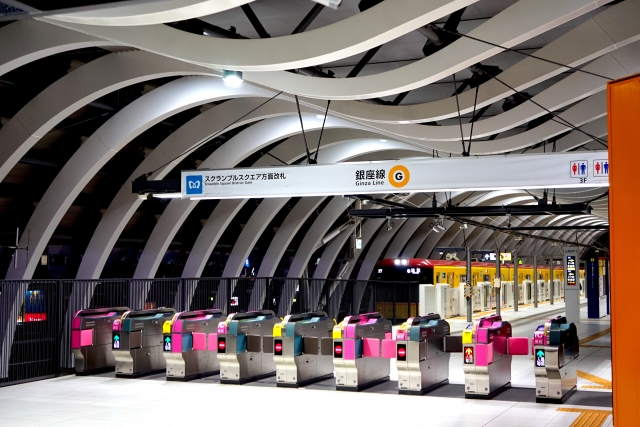
Stay on the train, and you will arrive in Shibuya, a youthful district of towering skyscrapers.
Watching the scenery change so dramatically on a single subway line, almost like traveling through time, is an experience only the Ginza Line can offer.
2. Money-Saving Tip: How to Buy and Use the Tokyo Metro 24-Hour Ticket
The must-have item for traveling this golden route cheaply and smoothly is the Tokyo Metro 24-Hour Ticket.
- Price and features: ¥700 for adults and ¥350 for children. It gives you unlimited rides on all Tokyo Metro lines for a full 24 hours from the moment you first pass through the ticket gate.
Riding from Asakusa to Ginza (¥210), Ginza to Shibuya (¥210), and Shibuya back to Asakusa (¥260) normally costs ¥680 in total. Add just one more stop along the way, and the ticket pays for itself.
- How to buy: You can easily buy it on the day at ticket machines in any Tokyo Metro station. There is no need to top up an IC card in advance, and you can pass through the gates smoothly.
- Insider tip: The ticket is valid for 24 consecutive hours rather than just one calendar day. If you start using it at 11:00 AM, it stays valid until 11:00 AM the next day, which makes it great for a two-day trip as well.
3. Morning at Senso-ji Temple and Kaminarimon Gate: Beat the Crowds and Photo Tips
The best time to start exploring Asakusa is early morning (around 8:00–9:00 AM), when the air is fresh and crisp.
Senso-ji Temple gets packed with visitors from around the world during the day, but first thing in the morning you can enjoy a quiet, peaceful visit.
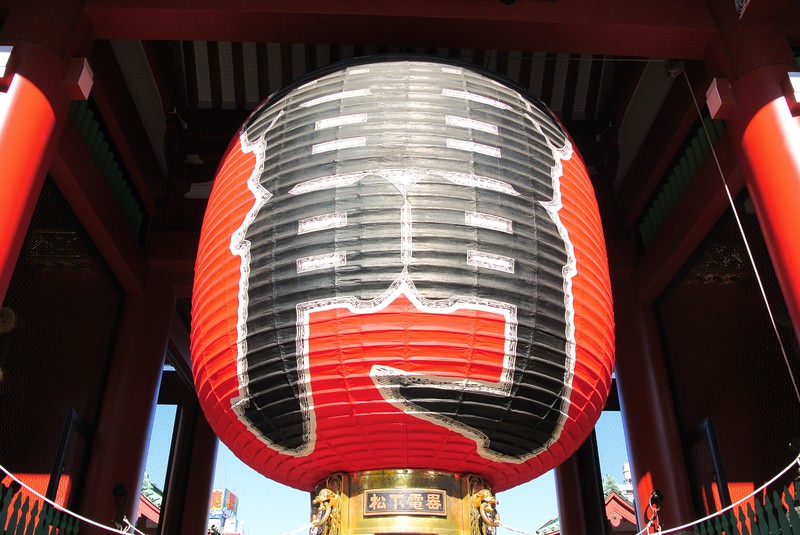
- Photo tips: Early in the morning, you can take a picture-perfect shot in front of Kaminarimon Gate, famous for its giant red lantern, without anyone else in the frame. Looking up at the lantern from below and the straight stone path leading to the Main Hall are views you can only enjoy in the morning.
- Smart route: Walk through Kaminarimon Gate, along the quiet Nakamise Shopping Street, through Hozomon Gate, and on to the Main Hall. Before praying, purify yourself by wafting the incense smoke from the large burner (jokoro) over your body.
The calm morning hours are also a great time to draw an omikuji (paper fortune).
Senso-ji is famous for giving out a lot of kyo (bad luck) fortunes, but even that will make a fun travel memory.
4. Savor Asakusa Specialties: A Classic Street Food Walk on Nakamise and Denboin Streets
Around 9:30–10:00 AM, the shops along Nakamise Shopping Street and Denboin Street start opening one after another.
Surrounded by the aroma of freshly made snacks, enjoy Asakusa’s classic street food. (Note: Local etiquette is to eat in front of the shop where you bought the food or in designated areas.)
- Ningyo-yaki: Freshly baked little sponge cakes filled with sweet red bean paste, made by craftsmen right in front of you. Don’t miss them while they’re hot.
- Asakusa Menchi: A hugely popular shop near Denboin Street. Its juicy deep-fried minced pork cutlets are bursting with flavor.
- Kagetsudo’s Jumbo Melon Pan: A giant melon bread that is crispy on the outside and fluffy on the inside. The texture fresh out of the oven is unforgettable.
- Kibi-dango: Warm, freshly made millet dumplings generously coated in soybean flour (kinako), a traditional taste dating back to the Edo period.
5. Retro Downtown Vibes: Asakusa Underground Street and Hoppy Street
After enjoying the main streets, step into some of Asakusa’s lesser-known, more local spots.
- Asakusa Underground Street: Connected directly to the Ginza Line Asakusa Station, this is Japan’s oldest underground shopping street. Step inside and you’ll feel as if you’ve traveled back to the 1960s. Standing soba counters, old-fashioned izakaya, and Vietnamese restaurants are packed side by side, creating a uniquely nostalgic atmosphere.
- Hoppy Street: A street of izakaya pubs on the west side of Senso-ji Temple. Red lanterns glow from midday, and the street is full of people enjoying the local specialties of nikomi (slow-simmered stew) and Hoppy (a low-alcohol, beer-flavored drink) at the outdoor tables. It’s the perfect place to experience Asakusa’s warm, friendly downtown hospitality.
6. A Street of Culinary Craftsmanship: Kappabashi Kitchenware Town, a Short Walk from Asakusa
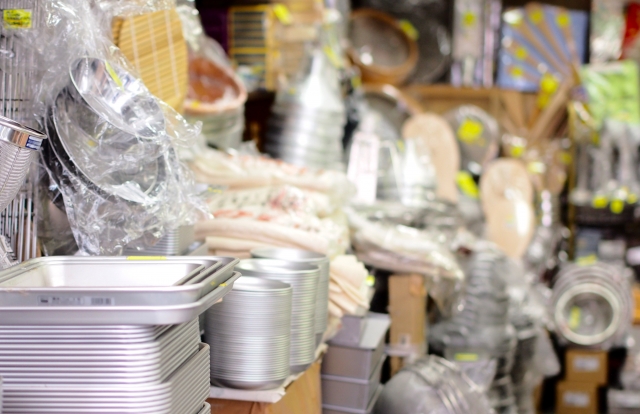
About a 10-minute walk west of Senso-ji, Kappabashi Kitchenware Town is a shopping street about 800 meters long, frequented by professional chefs.
Around 170 shops specializing in knives, pots, tableware, and cooking tools line the street, packed with professional-grade kitchen equipment.
In recent years, it has become hugely popular with international visitors looking for high-quality Japanese kitchen knives as souvenirs, as well as beautiful lacquerware and Japanese tableware.
7. Hands-On Craft in Asakusa: Food Sample Making Cafe
One experience you should definitely try while exploring Asakusa is making Japan’s world-famous food samples (realistic replica food).
At Food Sample Making Cafe, about a 5-minute walk from Asakusa Station near Sumida Park, you can try your hand at this Japanese craft while relaxing in a calm cafe setting.
You can make dishes such as omelette rice, spaghetti with meat sauce, crepes, and jelly parfaits. The staff guide you carefully, so even first-timers can create a realistic dish with their own hands, and you can take your finished food sample home the same day. It makes a one-of-a-kind souvenir.
The most popular dish is omelette rice!
Drawing on it with ketchup is a one-shot challenge with no do-overs, and that bit of tension is part of the fun.
Many people assume food samples are made of wax, but they are actually made of resin. Mixing the slime-like, jelly-textured material is the moment that makes most guests say “Wow!”
Families with children can enjoy it together, with parents helping their kids along the way. Every making course comes with a drink, and you can also choose a course that includes a meal, so it’s a great place to take a break during your Asakusa sightseeing. Because it’s completely indoors, you can enjoy it regardless of rain, heat, or cold.
You can visit without a reservation, but we recommend booking ahead on busy weekends. See our Menu & Price page for prices, and make a reservation here.
Want to learn more about how food samples are made? Read “How to Make Food Samples.” If you’re looking for other cultural experiences in the area, check out “Top 9 Japanese Cultural Experiences in Asakusa, Tokyo.”


8. Straight from Asakusa on the Ginza Line: An Afternoon Break in Historic Ginza
Once you’ve enjoyed Asakusa’s old-town culture, take the Ginza Line from Asakusa Station and get off at Ginza Station about 20 minutes later.
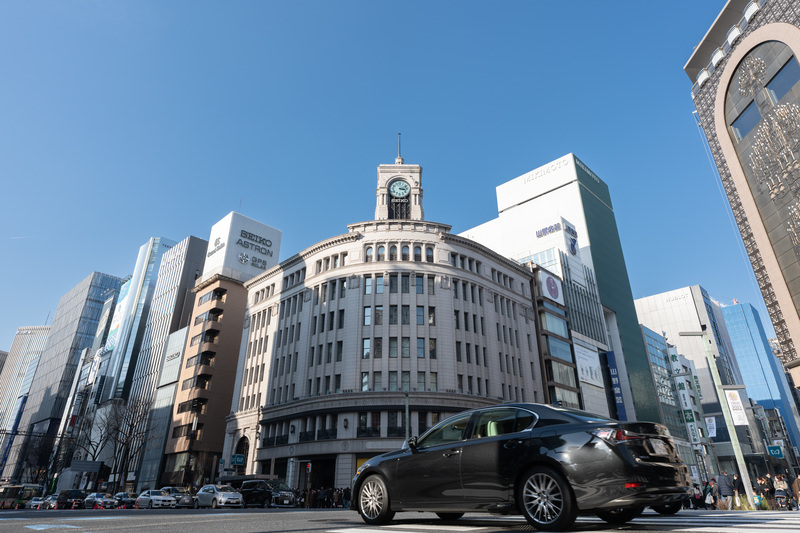
Back above ground, you’ll find one of Japan’s most sophisticated districts, lined with luxury brand flagship stores and long-established department stores.
For your afternoon, we recommend a stylish, old-fashioned break at one of Ginza’s historic cafes or coffee shops.
Savor traditional coffee at Cafe Paulista, founded in the Meiji era, or treat yourself to parfaits and fruit sandwiches made with plenty of seasonal fruit at Shiseido Parlour or Ginza Sembikiya.
On weekends and holidays, Chuo-dori Avenue becomes a pedestrian-only street, so take a leisurely stroll and enjoy an elegant grown-up afternoon.
9. End Your Day in Shibuya: Scramble Crossing and Night Views from SHIBUYA SKY
From Ginza Station, hop back on the Ginza Line and ride to the end of the line: Shibuya Station.
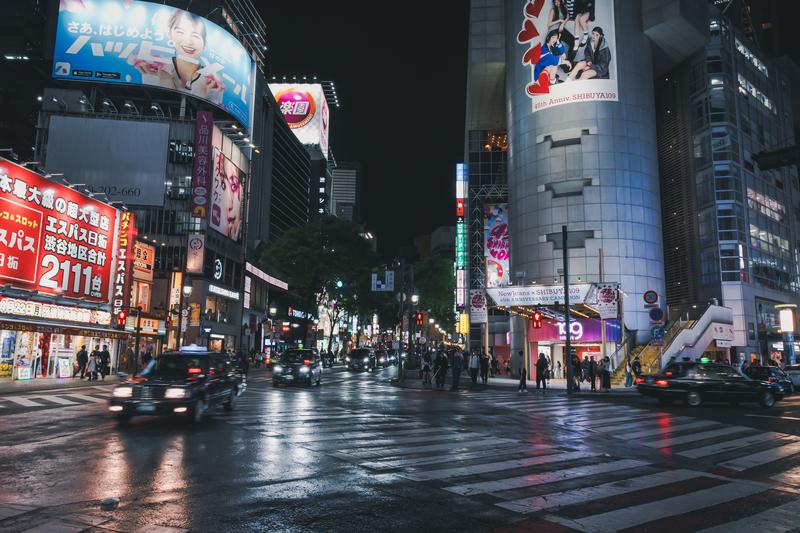
Your day ends in Shibuya, one of the most energetic districts in the world.
- Shibuya Scramble Crossing: Right outside the Hachiko Exit of Shibuya Station. Watching thousands of people cross all at once with every green light is a breathtaking sight that symbolizes Tokyo’s energy.
- SHIBUYA SKY: An observation deck on the rooftop of Shibuya Scramble Square. From this open-air rooftop about 230 meters above the ground, you get 360-degree views over Tokyo’s skyline as it lights up from dusk into the night. With Tokyo Tower and Tokyo Skytree glittering in the distance, it’s an unforgettable way to end your trip.
10. Travel Light: Coin Lockers and Luggage Storage around Asakusa Station
To enjoy walking around and trying street food, it’s best to drop off any large luggage first.
There are plenty of places to store your bags around Asakusa Station.
- Station coin lockers: Many lockers are located in the passageways outside the ticket gates of the Tokyo Metro Ginza Line Asakusa Station and inside Tobu Asakusa Station. (Lockers that accept IC cards are especially convenient.)
- Coin lockers next to Toei Asakusa Line Exit A4: There are also coin lockers right next to Exit A4, so you can drop off your bags before heading toward Kaminarimon Gate.
- Luggage storage services: Lockers fill up quickly during peak tourist seasons, so it’s also smart to use ecbo cloak, which lets you reserve storage by smartphone at partner cafes and shops around Asakusa.
- Asakusa Culture Tourist Information Center: A tourist information center right across from Kaminarimon Gate. It’s a handy place to drop by whenever you need information about the area.
11. Summary: A One-Day Ginza Line Model Course Starting from Asakusa
This Tokyo Metro Ginza Line model course cuts out wasted travel time and packs the very best of Tokyo into a single day.
[Recommended One-Day Schedule]
- 8:30 AM – Arrive at Asakusa Station, buy a 24-Hour Ticket, and store your luggage in a locker
- 8:45 AM – Visit Senso-ji Temple and Kaminarimon Gate before the crowds and take photos
- 10:00 AM – Street food on Nakamise Shopping Street and a stroll through Kappabashi Kitchenware Town
- 11:30 AM – Make your own food sample at Food Sample Making Cafe (about 1.5 hours with a meal)
- 1:30 PM – Take the Ginza Line from Asakusa Station to Ginza Station (about 20 minutes)
- 2:00 PM – Relax at a historic Ginza cafe and go shopping
- 4:30 PM – Take the Ginza Line from Ginza Station to Shibuya Station (about 16 minutes)
- 5:00 PM – See Shibuya Scramble Crossing and enjoy the night view from SHIBUYA SKY
- 7:00 PM – Dinner in Shibuya or back in Asakusa
Start with a traditional morning in Asakusa, move on to a modern afternoon in Ginza, and finish with a futuristic night in Shibuya.
Hop on the yellow Ginza Line and enjoy your own perfect day in Tokyo!
FAQ
Q. Can I get from Asakusa to Shibuya without changing trains?
A. Yes. The Ginza Line runs directly from Asakusa to Shibuya with no transfers. The fare is ¥260 with a paper ticket (¥252 with an IC card). If you also plan to stop off in Ginza, the Tokyo Metro 24-Hour Ticket (¥700 for adults) is the better deal.
Q. How much time should I set aside if I want to combine Asakusa sightseeing with a hands-on experience?
A. Plan on about 3 hours for visiting Senso-ji, trying street food, and strolling through Kappabashi Kitchenware Town, plus another 1 to 1.5 hours for an activity. At Food Sample Making Cafe, the making course takes about 1 hour, or about 1.5 hours with a meal. If you explore Asakusa in the morning and combine lunch with the experience, you’ll have the afternoon free for Ginza and Shibuya.
Q. How much does Food Sample Making Cafe cost?
A. The making course (with a drink) is ¥4,600, and the making course with a meal is ¥5,600 (tax included). See our Menu & Price page for details.
Q. Can I come along without making a food sample myself?
A. Yes. Accompanying guests can enter with a drink for ¥1,000 (tax included). There is also an option with a meal for ¥2,000 (tax included).
Q. What are Food Sample Making Cafe’s opening hours?
A. We are open 10:00 AM–5:00 PM (last entry 4:00 PM), and 10:00 AM–6:00 PM on Saturdays (last entry 5:00 PM). We may close on irregular days, so please check our Hours & Access page or make a reservation before you visit.